
About Duck Commander
Louisiana Waterfowl Call Pioneer
Duck Commander: History & Engineering
Founded by Phil Robertson in West Monroe, Louisiana in 1972, crafting double-reed mallard, cutdown, wood duck, and Pro Series acrylic waterfowl calls.
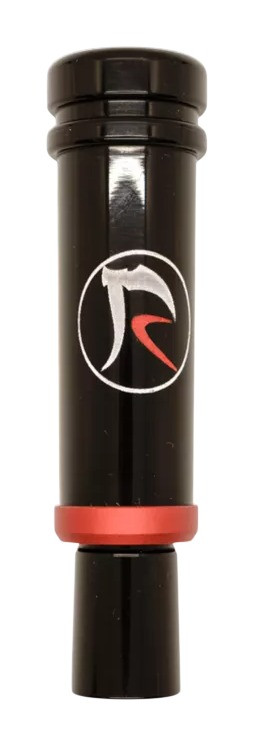
Founded in 1972 in West Monroe, Louisiana by Phil Robertson, Duck Commander turned a simple mission - building a duck call that sounded like a live mallard hen in the timber rather than a shrill stage instrument - into one of the most iconic brands in American waterfowl hunting. Carving his original prototypes from local Louisiana cedar inside a backyard shed, Robertson patented a friction-fit double-reed design that proved remarkably easy to blow for everyday duck hunters while maintaining raspy bottom-end realism. Over five decades later, Duck Commander continues operating from West Monroe, offering hand-tuned wood, polycarbonate, and acrylic calls spanning the Jase Robertson Pro Series, Cutdown Series, and specialty species calls.
Origins & Early Milestones
Duck Commander's story begins with Phil Robertson, a standout starting quarterback at Louisiana Tech University who famously played ahead of future NFL Hall of Famer Terry Bradshaw before walking away from pro football prospects and school teaching to dedicate his life to hunting Louisiana's flooded cypress brakes and bayous. Frustrated that existing market calls sounded overly crisp and artificial in live marsh conditions, Robertson began whittling custom barrels from Louisiana cedar in 1972, pairing a friction-fit toneboard with a patented double-reed system tuned for the gravelly, authentic quack of a real mallard hen.
After receiving his call patent in 1972 and formally incorporating the Duck Commander Company in 1973, Phil built the business around the family kitchen table in West Monroe alongside his wife Kay and sons Al, Willie, Jase, and Jep. Early growth was driven by grassroots VHS hunting videos - the long-running Duckmen series - that showcased their calls working real ducks across the Mississippi Flyway. When son Willie stepped in as CEO in the 2000s and the Robertson family starred in the hit television series Duck Dynasty, Duck Commander became a household American name while keeping its call-making shop anchored on Kings Lane in West Monroe, Louisiana.
Landmark Platforms
Duck Commander's signature contribution to waterfowling is the friction-fit double-reed J-frame call architecture, which produces natural ducky rasp with forgiving air pressure so hunters do not need decades of stage-calling practice to turn birds into the decoys. That philosophy shines across core hunting workhorses including the Triple Threat, Camo Max, Duck Picker, RDC100, RDC200, Flash, and versatile DCPW 6-in-1 whistle, as well as the crisp single-reed Shadow for open-water volume. Species-specific calls such as the Wood Duck Call, Mallard Drake, Gadwall Magnum, Specklebelly Goose Call, Snow Goose Single Reed Call, Goose Commander, and Teal/Wood Duck Call Combo round out a full flyway lanyard.
For seasoned waterfowlers seeking maximum acoustic projection, custom aesthetics, and hand-tuned precision, the Pro Series elevates Duck Commander's double-reed acoustics into turned exotic hardwoods and cast acrylic. Flagship models include the Jase Robertson Pro Series in Smoke Acrylic, Chartreuse Acrylic, Black Acrylic, Maple, Tigerwood, Burnt Hedge, and Hi-Ball editions, alongside the Bocote Pro Series, Phil Robertson Pro Series, John Godwin Pro Series, and Justin Martin Pro Series. For timber hunters who demand hard-barking Arkansas-style cadence, the Cutdown Series - led by the Cut Down 2.0, Commander Cut, Catahoula Cut, and single-reed Reaper Cut - brings modified steep-angle toneboards built for heavy air and sharp, raspy feed chatter.
Market Position & Key Peers
Within American waterfowl calling, Duck Commander holds a unique position combining unmatched cultural recognition with approachable, field-proven call acoustics. Key category peers stocked at Global Ordnance include fellow Louisiana call pioneer Haydel's, ZINK Calls in custom acrylic waterfowl instruments, Primos hunting calls, Avian-X decoys and waterfowl gear, and Mojo motion decoys. Where competition-bred single-reed brands often carry steep learning curves and high prices, Duck Commander bridges entry-level polycarbonate double-reeds all the way up to hand-tuned acrylic Pro Series and Cutdown calls.
Global Ordnance stocks a comprehensive lineup of Duck Commander calls and blind accessories for every region of the flyway. Waterfowlers can outfit their lanyard with Jase Robertson Pro Series acrylic and hardwood calls, Phil Robertson, John Godwin, and Justin Martin Pro Series editions, Cut Down 2.0, Commander Cut, Reaper Cut, and Catahoula Cut calls, classic Triple Threat, Shadow, Duck Picker, Camo Max, RDC100, and RDC200 mallard calls, Wood Duck, Mallard Drake, Gadwall, Specklebelly, and Snow Goose calls, plus Duck Commander Face Camo Paint.
Featured In-Stock Duck Commander Models at Global Ordnance
Duck Commander Reaper Cut Duck Call - Single Reed$179.99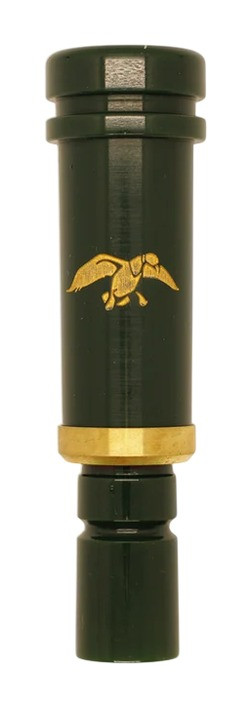 Duck Commander Cutdown Series Commander Cut - Lightweight Duck Call$169.99
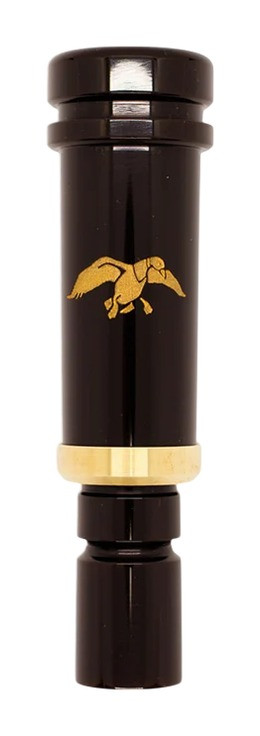 Duck Commander Catahoula Cut Duck Call - Double Reed Cutdown$169.99
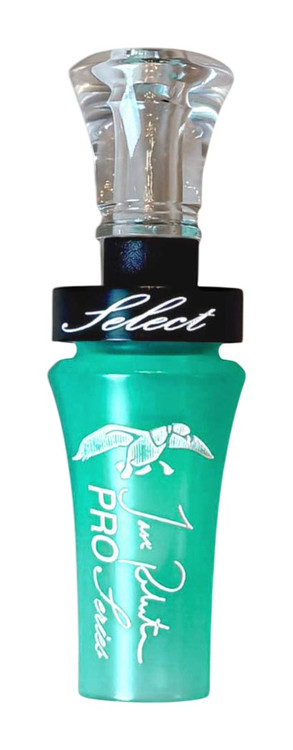 Duck Commander Jase Pro Series Black Acrylic Duck Call$94.99
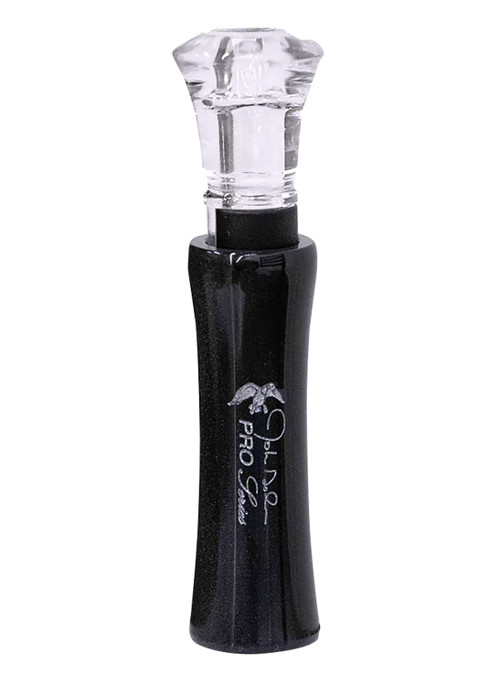 Duck Commander John Godwin Pro Series Double-Reed Friction Call - DCJGPS$79.99
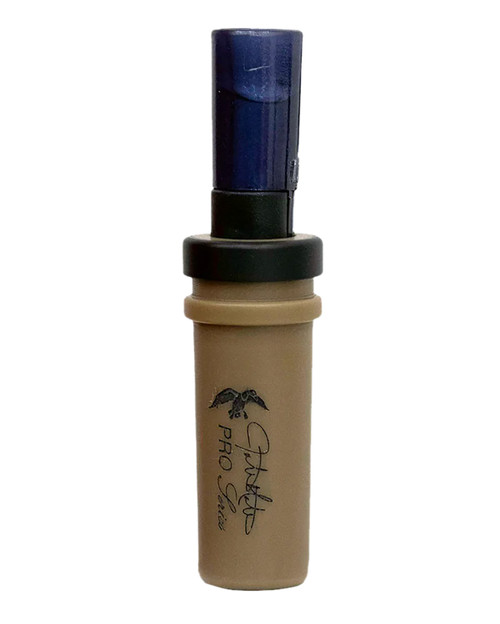 Duck Commander Justin Martin Pro Series Duck Call - Brown Acrylic - DCJMPS$79.99
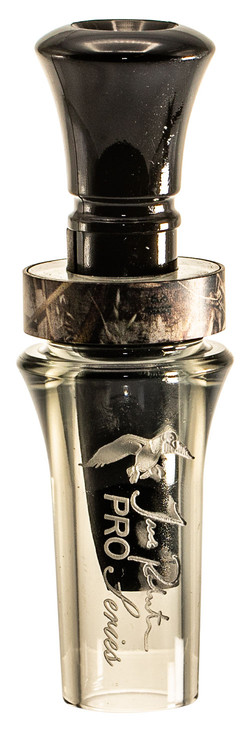 Duck Commander Jase Robertson Pro Series Smoke Acrylic Double Reed Duck Call - DCPROAS$76.99
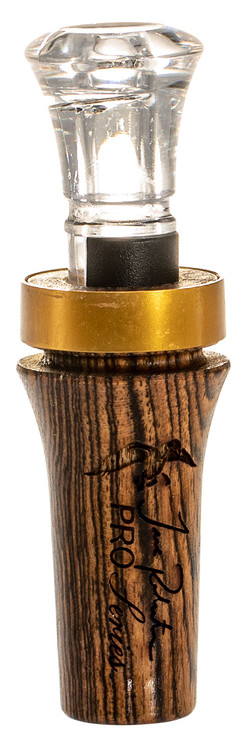 Duck Commander Pro Series Bocote Double Reed Mallard Hen Call - DCPROB$65.99