
About Pulsar
European Thermal Imaging Scopes, Monoculars & Binoculars

Pulsar: History & Engineering
European electro-optics leader by Yukon Advanced Optics building Thermion scopes, Axion and Telos monoculars, and Merger/Symbion thermal binoculars.
Introduced in 2009 by Vilnius, Lithuania-based Yukon Advanced Optics Worldwide, Pulsar transformed commercial thermal imaging and digital night vision from obscure military surplus into refined, European-built electro-optics trusted by nocturnal hog hunters, predator control professionals, wildlife biologists, and maritime search teams. Tracing its optical roots back to 1991 when founding engineers began fabricating observation tubes in Eastern Europe before establishing corporate headquarters in Lithuania in 2004-2005, the group launched Pulsar specifically to pioneer civilian thermal riflescopes and handheld scanners. Distributed and warranty-serviced across North America through Mansfield, Texas partner Sellmark Corporation since 2010, Pulsar pairs sensitive European Lynred microbolometers with fast germanium optics and traditional-ergonomics magnesium housings.
Origins, Yukon Advanced Optics & European Manufacturing
The engineering group behind Pulsar began in 1991, when a small team of optical specialists started building hand-assembled observation scopes in an unfinished workshop in Lida before expanding internationally through Western partnerships in the late 1990s. By 2004-2005, the enterprise established its permanent European corporate headquarters as Yukon Advanced Optics Worldwide in Vilnius, Lithuania. Having captured a commanding global share of Gen 1 night vision during the 2000s, leadership recognized that uncooled thermal imaging and digital CMOS sensors represented the future of low-light observation.
In 2009, the company unveiled the Pulsar brand to house its flagship professional digital and thermal instruments, designing, assembling, and calibrating optics across European facilities in Lithuania and Latvia. The following year, in 2010, Pulsar forged a long-term North American distribution and service alliance with Mansfield, Texas-based Sellmark Corporation. That partnership paired European optical manufacturing with rapid domestic warranty support, propelling Pulsar to the forefront of American night hog and coyote hunting.
Thermion Riflescopes, Pocket Axion Scanners & Multispectral Systems
Pulsar's enduring design breakthrough was bringing familiar daytime ergonomics to thermal riflescopes. Its flagship Thermion family - represented in high-definition models like the Thermion 2 LRF XL50 (featuring an HD 1024x768 thermal sensor) and Thermion 3 LRF XR60 - packages a full thermal imaging core, onboard video recorder, Wi-Fi Stream Vision connectivity, dual internal/removable APS battery architecture, and an integrated laser rangefinder inside a sleek 30mm aluminum tube that mounts with standard scope rings. For shooters wanting dedicated rail-mounted simplicity or lighter weight, Pulsar also engineers the Talion XQ35 Pro and updated Trail 3 LRF XQ50 and Trail 3 XR50 thermal riflescopes.
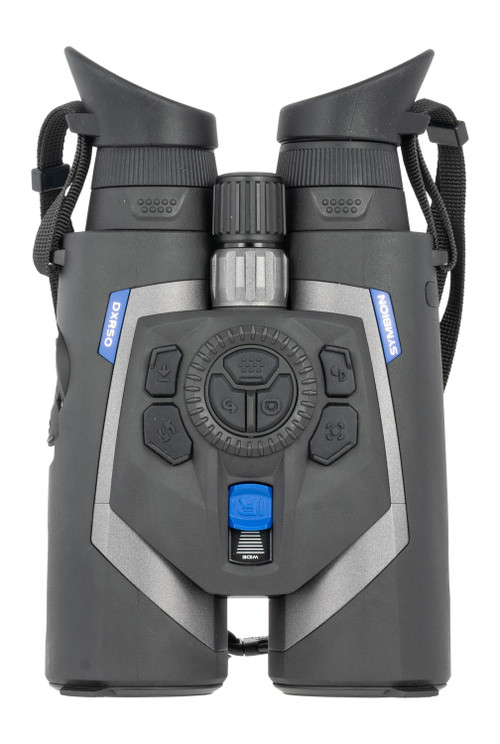
In handheld detection and long-duration glassing, Pulsar offers purpose-built optics across every budget and sensitivity tier. Compact magnesium-alloy scanners in the Axion line (including the Axion XQ19, Axion XQ30 Pro, and high-resolution Axion XG30) slip easily into a coat pocket, while the modular Telos LRF XQ35 and rugged Oryx LRF XG35 monoculars add integrated laser rangefinding and upgradeable hardware platforms. At the top of the observation lineup sit true dual-eye binoculars - the Merger LRF XP35 thermal binoculars and the advanced Symbion LRF DXR50 multispectral binoculars that fuse thermal heat detection with full-color daytime/twilight digital channels - all powered by field-swappable packs like the Pulsar APS5 Battery Pack and secured with the Pulsar Locking QD Mount.
Market Position & Key Peers
In the fast-moving civilian thermal imaging market stocked at Global Ordnance, Pulsar competes head-to-head with AGM Global Vision, ATN, IRay, Nocpix, RIX Optics, and military-pedigree maker Trijicon. While numerous lower-cost thermal brands rely on generic OEM electronics with inconsistent firmware updates, Pulsar differentiates itself through European assembly, custom image-processing algorithms, refined Stream Vision 2 mobile integration, classic 30mm riflescope geometry, and an established 15-year Texas warranty infrastructure via Sellmark.
At Global Ordnance, nocturnal hunters and land managers can equip complete detection-and-engagement kits from live stocked Pulsar optics. Stocked riflescopes include the Thermion 2 LRF XL50, Thermion 3 LRF XR60, Trail 3 LRF XQ50, Trail 3 XR50, and Talion XQ35 Pro, paired with handheld scanners and binoculars including the Axion XQ19, Axion XQ30 Pro, Axion XG30, Telos LRF XQ35, Oryx LRF XG35, Merger LRF XP35, and Symbion LRF DXR50, plus essential APS5 Battery Packs, APS 5 Chargers, and Locking QD Mounts.
Featured In-Stock Pulsar Models at Global Ordnance
Pulsar Symbion LRF DXR50 Multispectral Binoculars - PL77458$6,311.46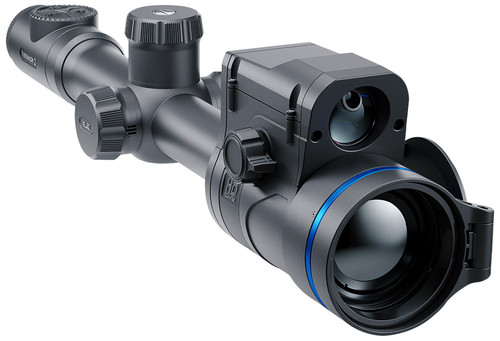 Pulsar Thermion 2 LRF XL50 Thermal Rifle Scope - PL76557$5,259.55
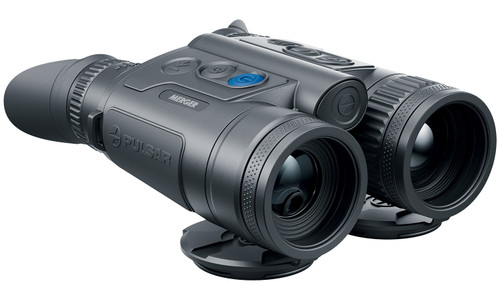 Pulsar Merger LRF XP35 Thermal Imaging Binoculars - PL77484$4,999.97
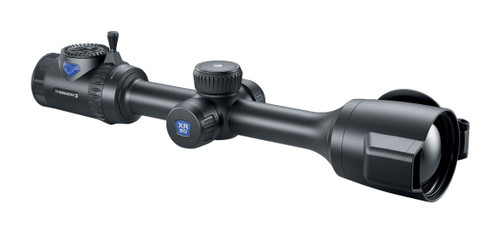 Pulsar Thermion 3 LRF XR60 Thermal Rifle Scope$4,500.00
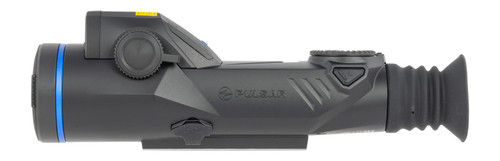 Pulsar Trail 3 XR50 Thermal Riflescope - PL76588K$3,997.27
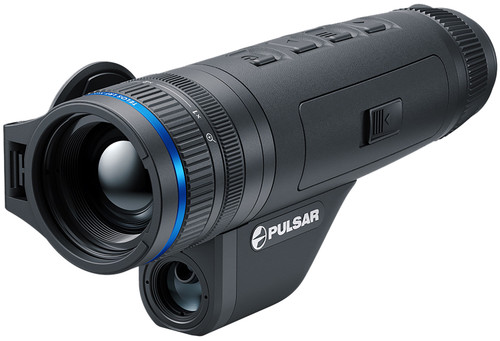 Pulsar Telos LRF XQ35 Thermal Monocular - PL77512$3,082.11
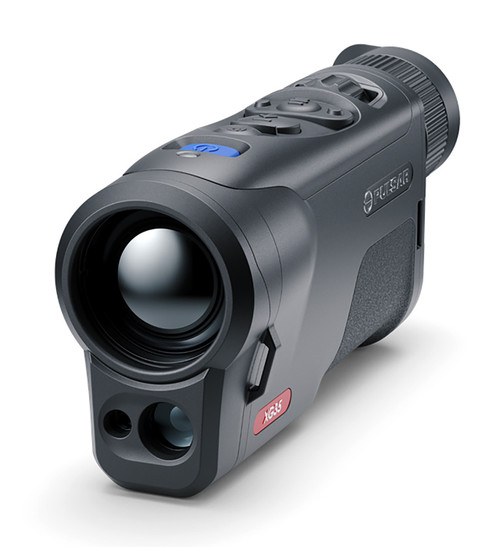 Pulsar Oryx LRF XG35 Thermal Monocular - PL77504$2,945.35
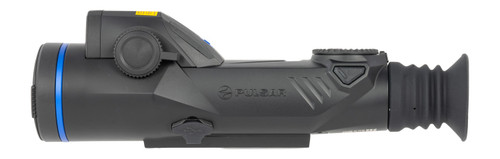 Pulsar Trail 3 LRF XQ50 Thermal Riflescope - PL76585K$2,840.16