
About Echo Calls
World-Championship Arkansas Waterfowl Calls
Echo Calls: History & Engineering
Founded in 1975 in Beebe, Arkansas by 1997 World Champion duck caller Rick Dunn, hand-tuning Timber, XLT, Breaker, and Pure Meat acrylic duck calls.
Founded in 1975 by Rick Dunn in Beebe, Arkansas - right in the heart of Mississippi Flyway flooded-timber country - Echo Calls began when a young waterfowler spent fifty prototypes trying to turn one honest duck call for himself. After fellow hunters immediately bought his earliest hand-turned calls right off his lanyard, Dunn built Echo Calls into one of the most respected custom waterfowl call shops in America. Cemented by Rick Dunn's victory at the 1997 World Championship Duck Calling Contest in Stuttgart, Arkansas, Echo Calls is celebrated for its signature teardrop-shaped barrels, raspy timber realism, and hand-tuned single- and double-reed acrylic and polycarbonate calls.
Origins, Founder Rick Dunn & World Championship Pedigree
Rick Dunn began hunting ducks at age twelve alongside his brother in the flooded hardwoods of Arkansas, where wary mallards hear hundreds of calls every morning and reject anything that sounds hollow or artificial. In 1975, determined to build a call with the soft, raspy bottom-end quack he heard from live hens in the timber, Dunn began turning wooden barrels and filing toneboards by hand. It took roughly fifty trial-and-error calls before he nailed the exact acoustic profile he wanted - and when a hunting companion offered forty dollars for it on the spot, Dunn sold it, turned another, and launched Echo Calls.
Operating out of Beebe, Arkansas, Echo Calls steadily earned a cult following among Southern duck guides and competition callers alike. The brand's reputation reached national stature in 1997 when Rick Dunn won the prestigious World Championship Duck Calling Contest in Stuttgart, Arkansas, proving that Echo's toneboard geometry could win both on the Main Street competition stage and in tight flooded green timber. Still hand-tuned in Beebe, Echo Calls manufactures its instruments from dense cast acrylic, durable polycarbonate, and select Arkansas hardwoods such as bois d'arc and cherry.
Acoustic Geometry & Landmark Waterfowl Models
Every Echo call carries the brand's unmistakable ergonomic teardrop barrel silhouette and hand-filed toneboard, tuned individually so hunters can transition cleanly from sharp greeting calls to quiet, nasal feeding chuckles without locking up from moisture. At the core of the lineup sits the legendary Echo Timber - available as both the Timber Single Reed Duck Call for maximum range and pitch control and the Timber Double Reed Duck Call for effortless, ducky rasp right out of the box.
For hunters working both open water and tight holes, Echo engineered the XLT (Xtra Loud Timber) Single Reed Duck Call - an acrylic powerhouse capable of ringing out a loud hail call to turn high-flying mallards before dropping straight down into soft, raspy finishing quacks. Rounding out the modern Echo roster are the Breaker Single Reed Duck Call built for big-water volume and crisp cadence, the gritty Pure Meat Double Reed acrylic call, the value-packed Trash Talker Double Reed Duck Call, and the Specko Acrylic Goose Call tuned to mimic the high-pitched yodel and clucks of white-fronted specklebelly geese.
Market Position & Key Peers
In the waterfowl calling world, Echo Calls commands deep respect alongside classic Southern and Midwestern call makers stocked at Global Ordnance including Duck Commander, Haydel's, Zink, Primos, Rolling Thunder Game Call, and decoy leader Avian-X. While mass-molded factory calls often prioritize high-volume retail packaging over reed response, Echo Calls retains its authentic Arkansas custom-shop DNA, giving hunters competition-grade acrylic toneboards and approachable double-reed timber calls tuned by working waterfowlers.
Global Ordnance stocks Echo Calls' most proven duck and goose calls in classic acrylic pearl and timber finishes. Waterfowlers can hang the Timber Single Reed Duck Call, Timber Double Reed Duck Call (including Bourbon & Water and Orange Pearl editions), XLT Single Reed Duck Call, Breaker Single Reed Duck Call, Pure Meat Double Reed Black Acrylic Duck Call, Trash Talker Double Reed Duck Call, and Specko Acrylic Goose Call on their lanyard before the next migration push.
Featured In-Stock Echo Calls Models at Global Ordnance
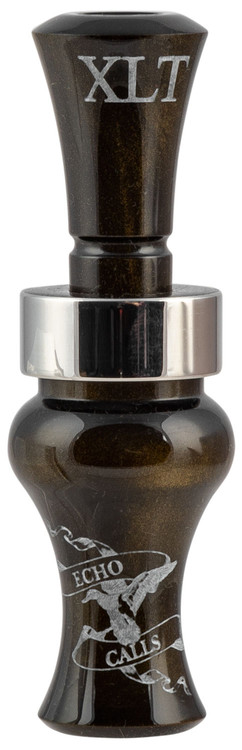
Echo Calls XLT Single Reed Duck Call - Black Gold Pearl Acrylic - 78900$125.53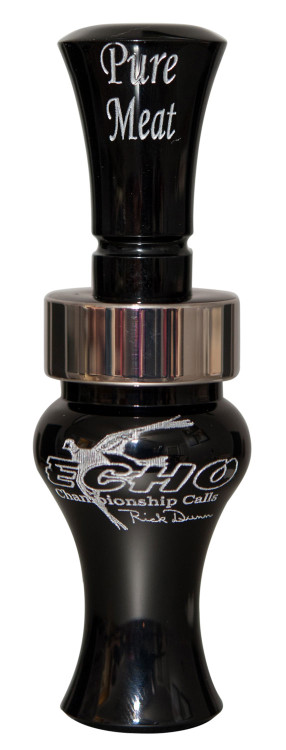 Echo Calls Pure Meat Double Reed Black Acrylic Duck Call - 79019$125.53
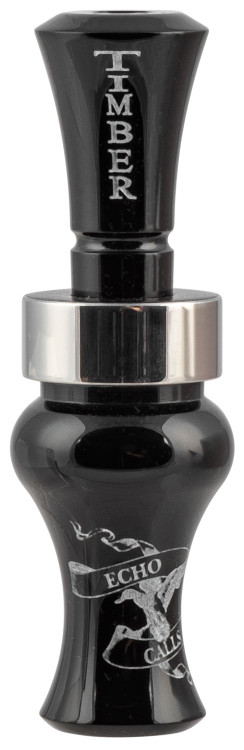 Echo Calls Timber Single Reed Duck Call - 77715$117.34
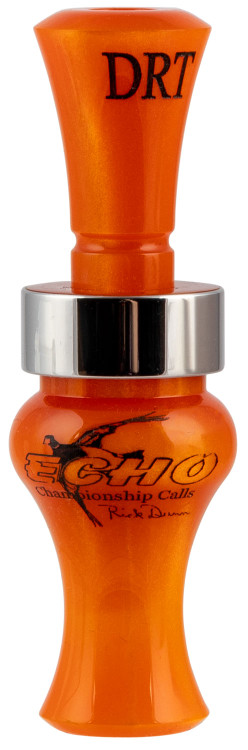 Echo Calls Timber Double Reed Duck Call Orange Pearl - 79026$117.34
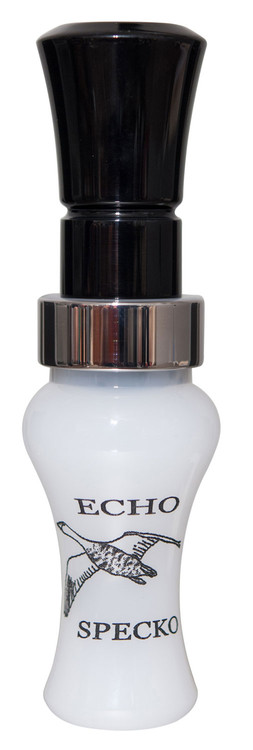 Echo Calls Specko Acrylic Goose Call - Black/Pearl with Black Mouth Piece - 90011$117.34
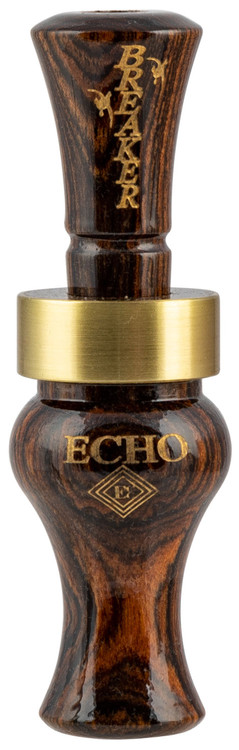 Echo Calls Breaker Single Reed Duck Call - 78913$84.59
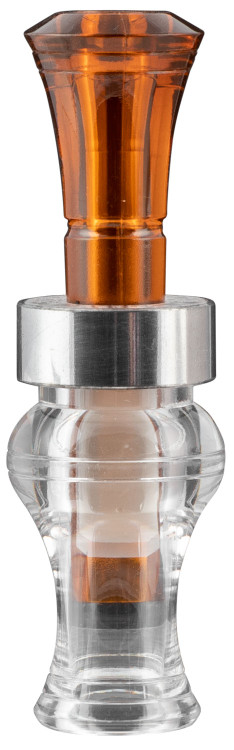 Echo Calls Double Reed Timber Call - Bourbon & Water - 77806$22.51
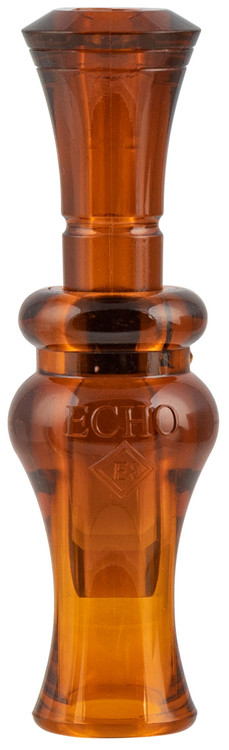 Echo Calls Trash Talker Double Reed Duck Call - 77784$14.31