

EOTech
True Holographic Weapon Sights · 1995
EOTech
Laser-holographic EXPS and XPS weapon sights, G-series magnifiers, and Japanese-glass Vudu LPVOs descended from Michigan aerospace holography since 1995.

-
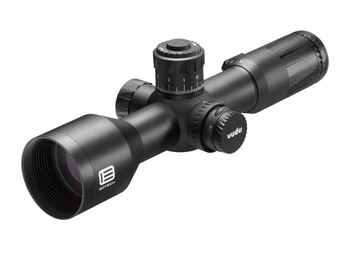
Eotech VDU525FFH59 Vudu FFP Black Anodized 5-25x 50mm 34mm Tube Illuminated Horus H59 MRAD Reticle Features Throw Lever
EOTech
$1,896.90The Vudu’s 34 mm tube houses high‑density, low‑dispersion XC™ glass with anti‑reflection coating, delivering bright, crisp images across the 5‑25x magnification range. Its compact 11.2‑inch length...$1,896.90 -
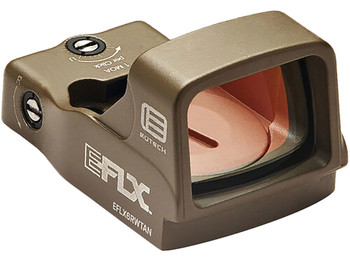
Eotech EFLX3RWTAN EFLX Mini Reflex Sight Tan 1 x 3 MOA Red Dot
EOTech
$248.80The EFLX Mini Reflex gives pistol shooters a true 1× solution with a crisp 3 MOA dot that balances precision and speed. Its square window and anti‑reflection coating let you see the reticle clearly...$248.80 -
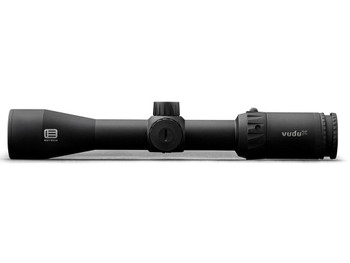
Eotech VDX212SFBD1 Vudu X Matte Black 2-12x 40mm, 30mm Tube Illuminated BDI Reticle
EOTech
$636.48The Vudu X’s aircraft‑grade aluminum body gives the scope a rugged backbone while staying light enough for any rifle or carbine. Its 30 mm tube and matte‑black coating blend into most tactical setups...$636.48 -
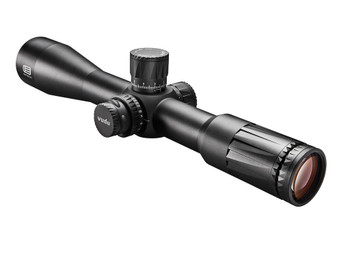
Eotech VDU318FFH59 Vudu FFP Black Anodized 3.5-18x50mm 34mm Tube Illuminated Horus H59 MRAD Reticle Features Throw Lever
EOTech
$1,603.72The Vudu’s 34mm tube and 50mm objective give you a solid, light‑rich platform that holds zero even under harsh recoil. The side‑parallax knob lets you fine‑tune focus for those hard‑to‑see long‑range...$1,603.72 -
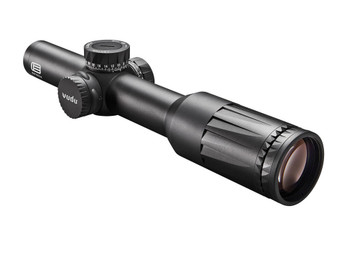
Eotech VDU16FFSR2 Vudu FFP Black Anodized 1-6x24mm 30mm Tube Illuminated SR2 MOA Reticle Features Throw Lever
EOTech
$1,033.85The Vudu’s one‑piece aircraft‑grade aluminum construction and nitrogen‑purged interior keep the optics clear even after extended shooting sessions. Its 30 mm tube houses XC high‑density,...$1,033.85 -
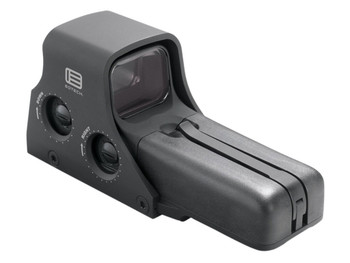
Eotech 552XR308 HWS 552 Matte Black 1 x 1.20" x 0.85" XR308 Reticle
EOTech
$672.34The 552 HWS XR308 packs a 1× holographic optic into a compact 5.4‑inch housing, delivering a crisp 1 MOA dot surrounded by a 65 MOA ring. Because the reticle sits in the second focal plane, the dot...$672.34 -
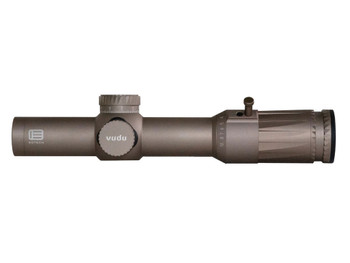
Eotech VDU110FFSR5TAN Vudu Tan 1-10x28mm, 34mm Tube 1 MOA Illuminated Red SR5 MRAD Reticle
EOTech
$1,481.26The Vudu’s 34 mm aircraft‑grade aluminum tube is machined from a single piece, giving the scope a solid, shock‑resistant backbone that holds zero even after rough handling. Paired with XC...$1,481.26 -
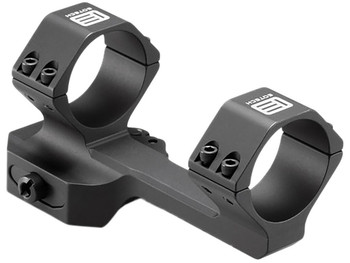
Eotech MN2016 PRS 2" Cantilever Mount Scope Mount/Ring Combo Matte Black 34 mm Tube
EOTech
$161.26The cantilever design pushes the optic forward 2 inches, letting you achieve the perfect eye relief without having to crane your head or add extra spacers. That forward offset also keeps the sight...$161.26 -

Eotech VDU318FFMD1 Vudu MD1 Black Hardcoat Anodized 3.5-18x50mm 34mm Tube Illuminated MRAD Reticle
EOTech
$1,424.74The Vudu’s 34 mm tube houses high‑density glass that stays clear even when you push the zoom to 18×. That extra glass quality means the image stays crisp and bright, a real advantage when you’re...$1,424.74 -
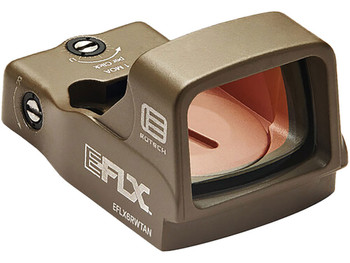
Eotech EFLX6RWTAN EFLX Mini Reflex Sight Tan 1 x 6 MOA Red Dot
EOTech
$248.80The EFLX Mini Reflex brings EOTech’s rifle‑optic pedigree to the pistol platform. Its rectangular window and 6 MOA dot give a clear, fast‑acquisition sight picture while the DPP footprint lets you...$248.80 -
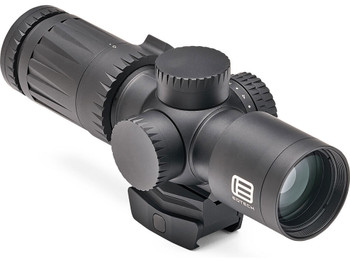
Eotech VDU3-9SFHC1 Vudu Matte Black 3-9x 32mm Illuminated HC1 MOA Reticle
EOTech
$811.28The Vudu’s ultra‑short 6.8‑inch body packs a full 3‑9× magnification range into a compact package, perfect for AR‑platform rifles or any low‑profile build where weight and size matter. Its...$811.28 -
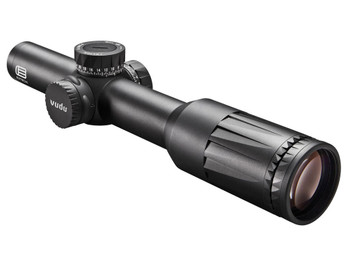
Eotech VDU16FFSR1 Vudu Black Hardcoat Anodized 1-6x24mm 30mm Tube Illuminated SR1 MRAD Reticle
EOTech
$1,059.73The Vudu’s 30 mm aircraft‑grade aluminum tube is hard‑anodized and sealed with O‑rings plus a nitrogen purge, giving it the ruggedness needed for harsh field conditions while keeping the internal...$1,059.73 -
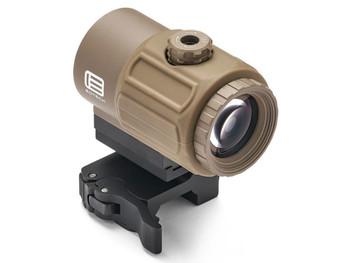
EOTECH G43.STSTAN 3X MAGNIFIER STS TAN
EOTech
$556.36The G43’s 34 mm tube slides onto any EOTech HWS sight, turning a close‑range holographic sight into a versatile 3× system. Its first‑focal‑plane reticle stays true to the point of aim as you zoom, so...$556.36 -
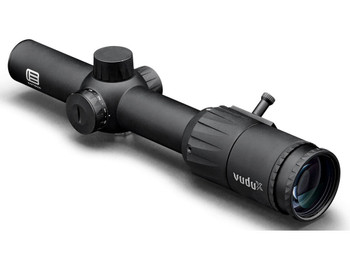
Eotech VDX16SFDP1 Vudu Matte Black 1-6x 24mm, 30mm Tube Illuminated DPI Reticle
EOTech
$559.30The Vudu X’s SFP layout means the DP1 reticle never changes size as you swing the magnification ring—perfect for shooters who want a consistent hold‑over reference from the moment they flip from 1×...$559.30 -
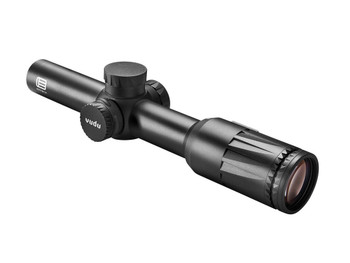
Eotech VDU18SFHC3 Vudu SFP Black Anodized 1-8x 24mm 30mm Tube 24mm Tube Illuminated HC3 MOA Reticle Features Throw Lever
EOTech
$1,108.00The Vudu’s 30 mm tube houses a fully multi‑coated optical system that delivers a bright, clear picture from 1× out to 8×. The low‑profile capped turrets keep the scope’s profile slim while the...$1,108.00 -
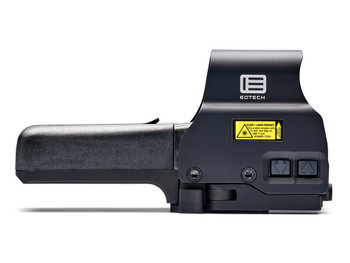
Eotech 518A65 HWS 518 Matte Black 1 x 1.20" x 0.85" 1 MOA Red Dot/68 MOA Ring
EOTech
$565.19The EOTech 518A65 gives you a crisp holographic picture on a 1× platform, letting you lock on a target with a 1 MOA dot while the surrounding 68 MOA red ring keeps the picture fast‑acquisition...$565.19 -
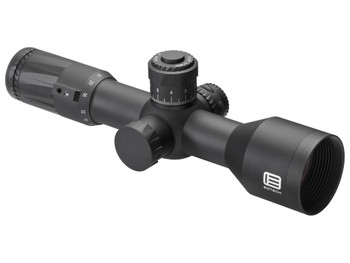
Eotech VDU525FFMD3 Vudu FFP Black Anodized 5-25x50mm 34mm Tube Illuminated MD3 MRAD Reticle Features Throw Lever
EOTech
$1,704.98The Vudu’s short 11.2‑in length makes it one of the smallest FFP scopes on the market, perfect for compact AR‑style platforms where every inch counts. Its 34 mm tube slides into standard rings, and...$1,704.98 -
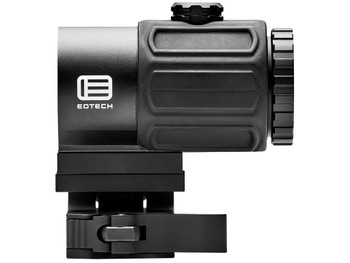
Eotech G43STS G43 Magnifier Matte Black 3x
EOTech
$568.72The G43 Micro packs the same 3× magnification of the battle‑tested G33 into a 3.1‑inch‑long housing, keeping the profile low enough to stay out of the way when you flip it off. Its compact size means...$568.72 -
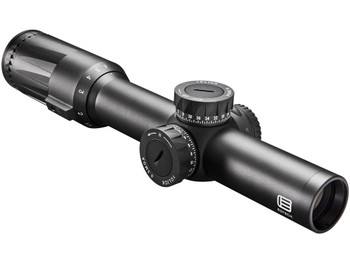
Eotech VDU16FFSR2G Vudu FFP Black Hardcoat Anodized 1-6x 24mm 30mm Tube Illuminated Green SR2-MOA Reticle Features Throw Lever
EOTech
$1,033.85The Vudu’s one‑piece aircraft‑grade aluminum body is nitrogen‑purged, eliminating internal fogging and keeping the optics clear in extreme temperature swings. Its XC high‑density, low‑dispersion...$1,033.85 -
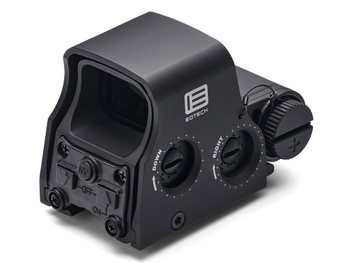
EOTECH XPS3-DCR HWS DCR RETICLE 1 MOA DOR
EOTech
$668.08The XPS3‑DCR packs EOTech’s proven holographic technology into a short‑throw, lightweight package that leaves plenty of rail space for accessories. Its Danger Close Reticle reshapes the classic 68...$668.08 -
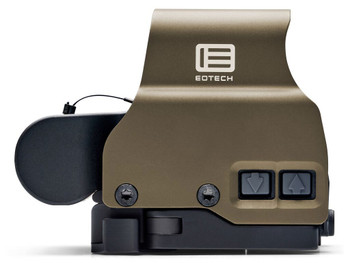
EOTECH XPS3OBT XPS3-0 BLACK WITH TAN HOOD
EOTech
$682.93The XPS3‑0 platform is EOTech’s go‑to reflex for fast target acquisition, and this version swaps the usual black hood for a tan one that cuts glare in bright environments. The sight itself retains...$682.93 -
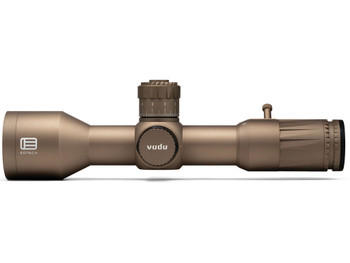
Eotech VDU5-25TR5TAN Vudu Tan 5-25x 50mm, Illuminated Horus TREMOR5 Reticle
EOTech
$1,915.68The Vudu’s 34 mm single‑piece aluminum tube is finished in a flat dark earth anodized Tan that hides wear and blends into tactical setups. At just 11.2 in long and 29.5 oz, it’s one of the most...$1,915.68 -
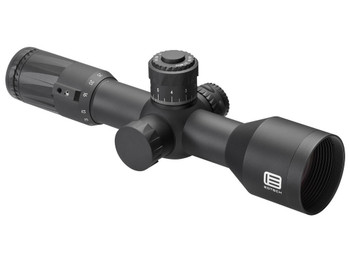
Eotech VDU5-25FFTR5 Vudu Black 5-25x 50mm, Illuminated Horus TREMOR5 Reticle
EOTech
$1,896.90The Vudu’s 11.2‑inch overall length makes it one of the shortest first‑focal‑plane scopes on the market, perfect for rifles that need a low‑profile optic when paired with thermal or night‑vision...$1,896.90 -
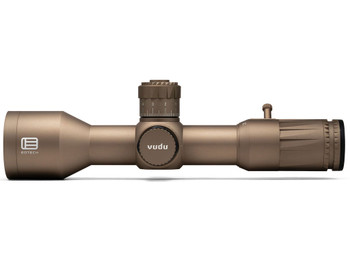
Eotech VDU5-25MD4TAN Vudu Tan 5-25x50mm, Illuminated MD4 MOA Reticle
EOTech
$1,723.82The Vudu’s 34 mm aircraft‑grade aluminum tube packs a first‑focal‑plane (FFP) design, meaning the MD4 MOA reticle scales with magnification. Whether you’re dialing 5× for quick target acquisition or...$1,723.82 -
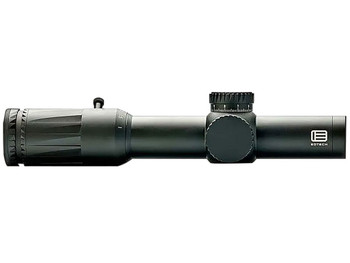
Eotech VDU1-10SR5DF Vudu Black 1-10x28mm, 34mm Tube Illuminated SR-5 DFG Reticle
EOTech
$1,626.09The Vudu’s 34 mm aircraft‑aluminum tube houses a crisp optical system that delivers a clear picture across the full 1‑10× range. Because the reticle sits on the first focal plane, every hold‑over you...$1,626.09 -
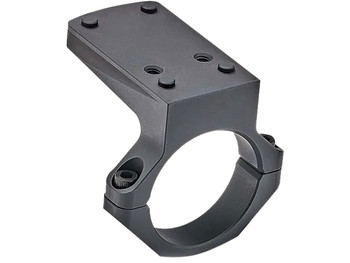
Eotech 9-MN3085 eFlex Matte Black
EOTech
$51.81The eFlex mount slots onto the Vudu 3‑9x32’s rail and offers a DeltaPoint Pro (DPP) footprint, the industry‑standard interface for EOTech’s EFLX red‑dot and other compatible sights. Two torque...$51.81 -
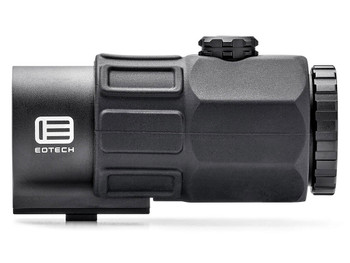
Eotech G45.NM G45 Magnifier Black 5x 1" Weaver/MIL-STD-1913 Rail Mount
EOTech
$534.57The G45’s 5× magnification sits right behind any EOTech HWS holographic sight, letting you flip from an un‑magnified red‑dot view to a crisp medium‑range picture in a heartbeat. Its compact 3.9" × 2...$534.57 -
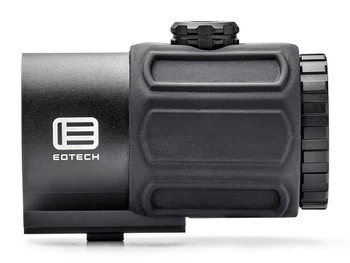
Eotech G43.NM G43 Magnifier Black 3x 1" Weaver/MIL-STD-1913 Rail Mount
EOTech
$493.36The G43’s tiny 3.10‑inch length makes it one of the lightest magnifiers on the market, yet it still delivers a full 3× boost when you need that extra reach. Its 1.00 mm objective lens and 2.5‑inch...$493.36
Global Ordnance Brand Monograph · 1995
Inside EOTech: History, Engineering & Buying Guide
Born in 1995 as a commercial spin-off of the Environmental Research Institute of Michigan (ERIM) in Ann Arbor, EOTech brought true laser holography out of military helicopter cockpits and onto shoulder-fired carbines. Unlike conventional LED reflex sights that bounce a light-emitting diode off a tilted mirror, an EOTech Holographic Weapon Sight (HWS) illuminates a hologram embedded in glass with a laser diode, producing a crisp 68 MOA speed ring surrounding a 1 MOA aiming dot that remains sharp even under 3x or 5x magnification. Adopted across USSOCOM, federal tactical teams, and civilian defensive carbines, EOTech remains the defining name in holographic aiming.
Origins, Founder & Early Milestones
EOTech's technological roots reach back to the University of Michigan's Willow Run Laboratories and its 1972 non-profit spin-off, the Environmental Research Institute of Michigan (ERIM) in Ann Arbor. ERIM scientists pioneered synthetic-aperture radar and practical laser holography, building prototype holographic heads-up gunsights for military helicopter door guns as early as 1986. Recognizing that shrinking holographic optics onto infantry rifles could revolutionize close-quarters marksmanship, ERIM incorporated Electro-Optics Technology - EOTech - in 1995 as a dedicated commercial subsidiary to miniaturize laser transmission holograms for handheld firearms.
EOTech debuted its first commercial Holographic Weapon Sight at the 1996 SHOT Show under a distribution partnership as the Bushnell HOLOSight, earning Industry Optic of the Year honors. By 2000 EOTech launched its own hardened tactical models - the AA-powered 512 and night-vision-compatible 552 - featuring protective aluminum roll-bar hoods that drew immediate adoption by U.S. Special Operations Command (USSOCOM), SWAT units, and the FBI Hostage Rescue Team. In 2005 L-3 Communications (later L3Harris Technologies) acquired EOTech to anchor its Warrior Systems optics portfolio. Fifteen years later, in 2020, American Holoptics acquired the company from L3Harris, restoring EOTech as an independent, privately held Michigan optics manufacturer now headquartered in Plymouth, Michigan.
Landmark Platforms & Engineering Breakthroughs
True holographic projection gives EOTech sights optical characteristics distinct from standard LED red dots. Because the reticle is recorded holographically on a transmission grating and reconstructed by an internal laser diode, the 1 MOA center dot does not physically enlarge relative to the target when viewed through a flip-to-side magnifier, preserving fine precision at 200 to 300 yards on 5.56 NATO and .300 Blackout carbines. Even more remarkably, if the front window glass cracks, shatters, or is partially covered in mud or snow, the holographic reticle remains fully visible and accurate anywhere an unbroken patch of viewing window remains.
EOTech refined its tactical architecture in 2009 with the transverse-battery XPS2 and quick-detach EXPS3 series. Mounting a single CR123A battery perpendicular to the bore eliminated recoil-induced longitudinal battery spring compression while shortening rail footprint to leave generous Picatinny space for G33, G43, or G45 magnifiers and Magpul backup iron sights. Under independent ownership after 2020, EOTech broadened aggressively beyond holographics, expanding its Japanese-glass Vudu 1-6x, 1-10x, and 5-25x riflescopes for 6.5 Creedmoor and .308 Winchester precision rifles, plus launching the EFLX open-emitter reflex sight on the DeltaPoint Pro footprint for 9mm Luger pistols.
Industry Position, Competitors & Modern Lineup at Global Ordnance
EOTech continues to hold a unique technical niche as one of the very few manufacturers on earth producing genuine laser-holographic rifle sights in the United States. In close-quarters carbine and duty optic evaluations, EOTech competes head-to-head with Trijicon, Holosun, Sig Sauer Electro-Optics, and Burris, trading multi-year LED standby runtime for unmatched window clarity, minimal parallax, superior light transmission under passive night vision, and zero-magnification distortion. Its EXPS3-0 and EXPS3-2 sights remain iconic fixtures atop Daniel Defense, FN America, Heckler & Koch, and SIG Sauer carbines equipped with SureFire lights and Dead Air or SilencerCo suppressors.
At Global Ordnance, shooters can source authentic American-made EOTech optics across every tier: EXPS3 and EXPS2 quick-detach holographic sights, compact XPS2 and classic AA-battery 512 units, pre-matched HHS (Holographic Hybrid Sight) bundles combining an EXPS with a G33 or G45 magnifier, Japanese-engineered Vudu LPVOs and precision riflescopes, and EFLX pistol mini reflex optics ready to ship nationwide.